
Why Stifling North Texas Summer Heat and Heavy Cedar Allergies Trigger Constant Eye Burning and Watering
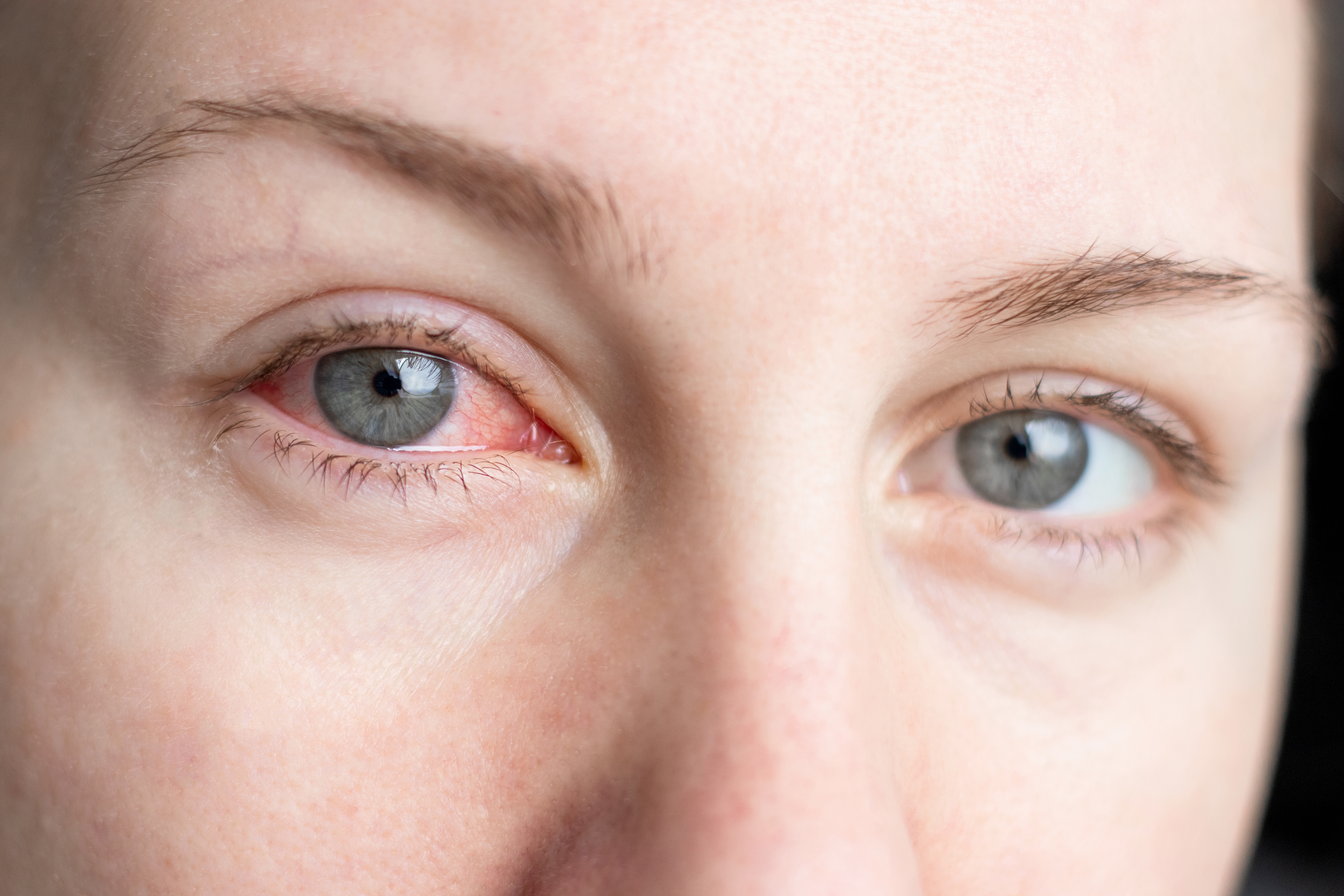
North Texas summers can be hard on the eyes. High temperatures, dry wind, strong sunlight, indoor air conditioning, and airborne allergens can disrupt the tear film that protects the eye’s surface. For patients in Burleson, burning and watering may seem like opposite problems, but they often happen together when the eyes become irritated.
Summer Heat Dries Out the Tear Film
Healthy tears contain water, oil, and mucus that keep the eyes smooth and comfortable. During prolonged heat exposure, tears can evaporate faster than the eyes can replace them. Wind, ceiling fans, car vents, and air conditioning can increase evaporation, especially for people who already have dry eye or meibomian gland dysfunction.
When the tear film becomes unstable, the surface of the eye may feel hot, gritty, tired, or sensitive to light. Contact lenses can also become less comfortable because they depend on a stable layer of moisture.
How Cedar and Other Allergens Irritate the Eyes
Cedar is a familiar North Texas allergy trigger, although mountain cedar pollen usually reaches its highest levels during the winter. During summer, grass pollen, weeds, dust, and mold can still affect eyes that are sensitive to seasonal allergens.
When allergen particles reach the eyes, the body releases histamine as part of its immune response. This reaction can cause itching, redness, puffy eyelids, and clear watery discharge. Heat and allergies can also compound each other. An already dry eye surface is more vulnerable to irritation, while rubbing itchy eyes can further disturb the tear film and worsen burning.
Why Burning Eyes Can Also Water
Watery eyes do not always mean the eyes have enough moisture. When the eye’s surface becomes dry or inflamed, the nerves may signal the tear glands to produce a sudden rush of watery tears. These reflex tears may spill over the eyelids, but they do not contain the balanced oils needed to stay on the eye for long.
This cycle can leave your eyes watering one moment and burning again soon afterward. Without addressing the underlying cause, repeatedly using random eye drops may provide only temporary relief.
Signs That Deserve an Eye Exam
Summer eye irritation can resemble allergies, dry eye, infection, or another ocular surface condition. Common symptoms include:
- Persistent burning, stinging, or itching
- Excessive watering or clear discharge
- Redness, blurry vision, or light sensitivity
- Contact lenses that become uncomfortable quickly
- Symptoms that continue despite over-the-counter drops
Eye pain, thick discharge, sudden vision changes, or severe light sensitivity should be evaluated promptly.
Finding the Right Relief for Your Symptoms
An eye exam can determine whether your symptoms are caused by allergies, rapid tear evaporation, blocked oil glands, or a combination of problems. At Seabert Eye Care, we may use tear osmolarity testing, meibography, surface staining, and tear production measurements to better understand the cause and severity of dry eye symptoms.
Depending on the findings, care may include targeted lubricating drops, eyelid hygiene, prescription medication, allergy management, or advanced dry eye therapies. Wearing wraparound sunglasses, avoiding direct air vents, washing pollen from your face and hair, and taking regular contact lens breaks may also reduce daily irritation.
Schedule your comprehensive eye exam with Seabert Eye Care in Burleson, TX, by calling (817) 857-8700 and find relief from constant burning and watering.



Our Services
Contact Info
Hours of Operation
- Monday 10:00am - 6:00pm
- Tuesday 9:00am - 6:00pm
- Wednesday 9:00am - 6:00pm
- Thursday 9:00am - 6:00pm
- Friday 9:00am - 4:00pm
- Saturday Closed
- Sunday Closed
© 2026 Seabert Eye Care. All rights Reserved. Accessibility Statement - Privacy Policy - Sitemap
Powered by:
