
What Is the Difference Between a Routine Eye Exam and a Medical Eye Exam?
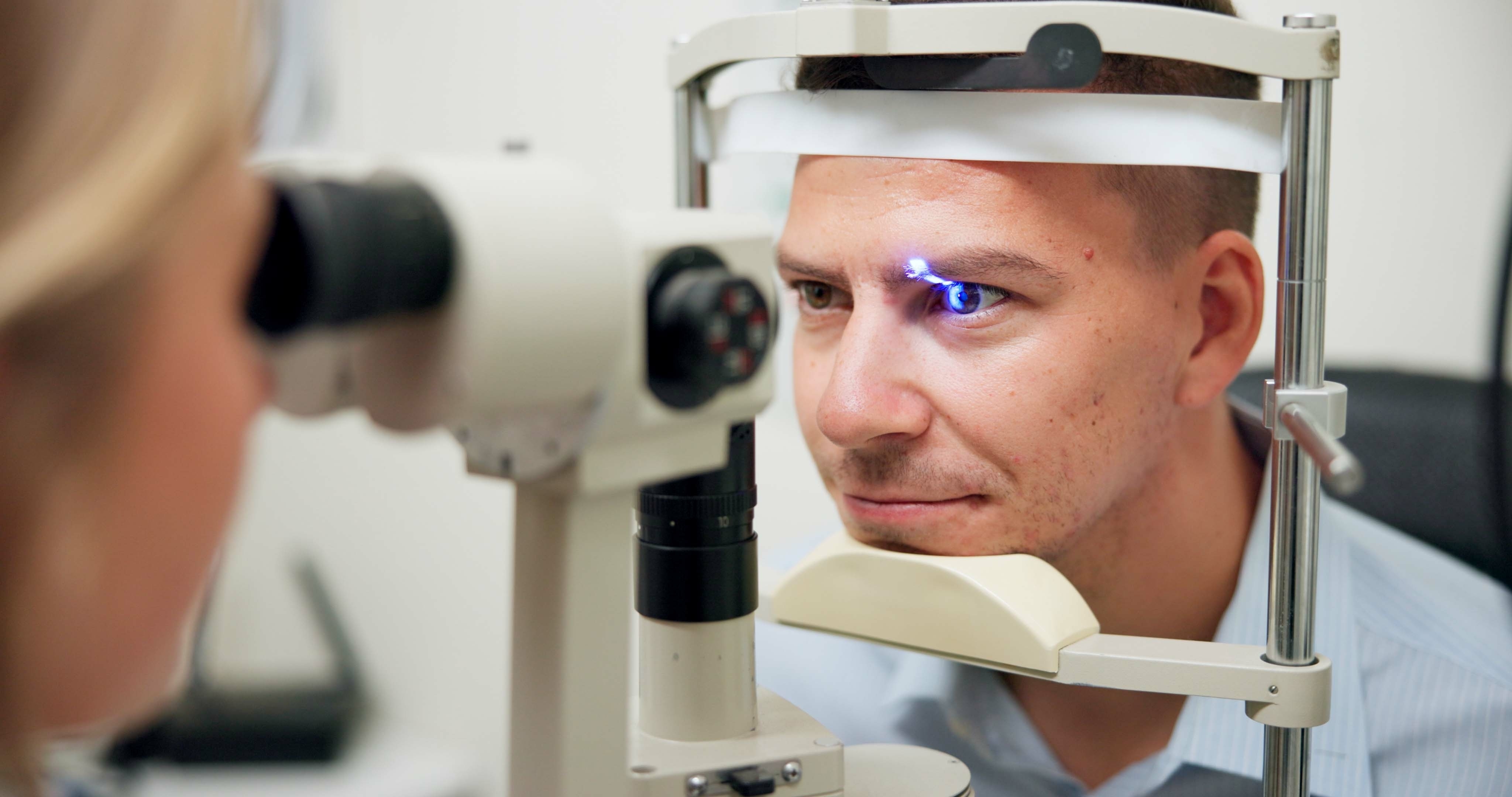
Not every eye appointment serves the same purpose. A routine eye exam evaluates your vision and overall eye health, while a medical eye exam focuses on diagnosing, monitoring, or treating specific eye conditions. Understanding the difference can help you schedule the right appointment and know what to expect. At Seabert Eye Care in Burleson, TX, we provide comprehensive eye care to address both vision needs and medical concerns.
What Happens During a Routine Eye Exam?
A routine eye exam is typically scheduled as part of preventive vision care, even when you have no noticeable symptoms. During the appointment, we evaluate how clearly you see, whether your prescription has changed, and how well your eyes work together.
We also examine your overall eye health to identify potential concerns. Depending on your needs, the examination may include a refraction to determine your glasses prescription, eye pressure measurements, and an assessment of the internal and external structures of your eyes.
Routine eye exams are important because certain eye conditions can develop without noticeable symptoms. Regular examinations allow us to monitor changes and recommend additional testing when necessary.
What Is a Medical Eye Exam?
A medical eye exam focuses on identifying, evaluating, or managing specific eye health concerns. Unlike a routine appointment, which generally emphasizes preventive care and vision correction, a medical eye exam addresses symptoms, existing diagnoses, or suspected eye diseases.
At our Burleson practice, we provide medical eye exams for conditions such as glaucoma, cataracts, macular degeneration, and diabetic eye disease. These appointments help us assess changes in eye health, determine appropriate treatment options, and monitor existing conditions.
Medical eye exams may also be necessary when patients experience unexplained vision changes, persistent discomfort, or other symptoms that require further investigation.
When Should You Schedule a Medical Eye Exam?
Certain symptoms and medical conditions may indicate the need for a medical eye evaluation rather than a routine appointment.
Common reasons include:
- Persistent eye redness, irritation, or discomfort
- Blurry or distorted vision that develops unexpectedly
- New flashes of light or floating spots in your vision
- Symptoms associated with dry eye disease or eye infections
- Existing conditions such as diabetes or glaucoma that require monitoring
Sudden vision loss, severe eye pain, or new flashes and floaters may indicate an urgent problem. Seek immediate eye care if these symptoms occur.
How Do the Tests Differ?
Routine and medical eye exams may involve similar diagnostic procedures, but the purpose of the examination determines which tests are necessary.
During a medical eye exam, we may recommend additional testing, such as a dilated retinal examination, visual field testing, or specialized retinal imaging. These evaluations can provide detailed information about the retina, optic nerve, and other structures affected by eye disease.
The specific tests depend on your symptoms, medical history, and examination findings. Not every patient requires the same diagnostic procedures.
Does Insurance Coverage Differ?
Another important distinction involves insurance coverage. Routine eye exams are commonly associated with vision insurance benefits, while medical eye exams may be covered under medical insurance when evaluating or managing an eye condition.
Coverage depends on your insurance plan, diagnosis, and reason for the visit. Our team can help you understand what information may be needed before scheduling your appointment.
If you are due for a routine eye exam or experiencing symptoms that require a medical eye evaluation, schedule an appointment with Seabert Eye Care in Burleson, TX, by calling (817) 857-8700.



Our Services
Contact Info
Hours of Operation
- Monday 10:00am - 6:00pm
- Tuesday 9:00am - 6:00pm
- Wednesday 9:00am - 6:00pm
- Thursday 9:00am - 6:00pm
- Friday 9:00am - 4:00pm
- Saturday Closed
- Sunday Closed
© 2026 Seabert Eye Care. All rights Reserved. Accessibility Statement - Privacy Policy - Sitemap
Powered by:
