
Eye Allergies vs. Infections: How to Tell the Difference and When to Seek Care
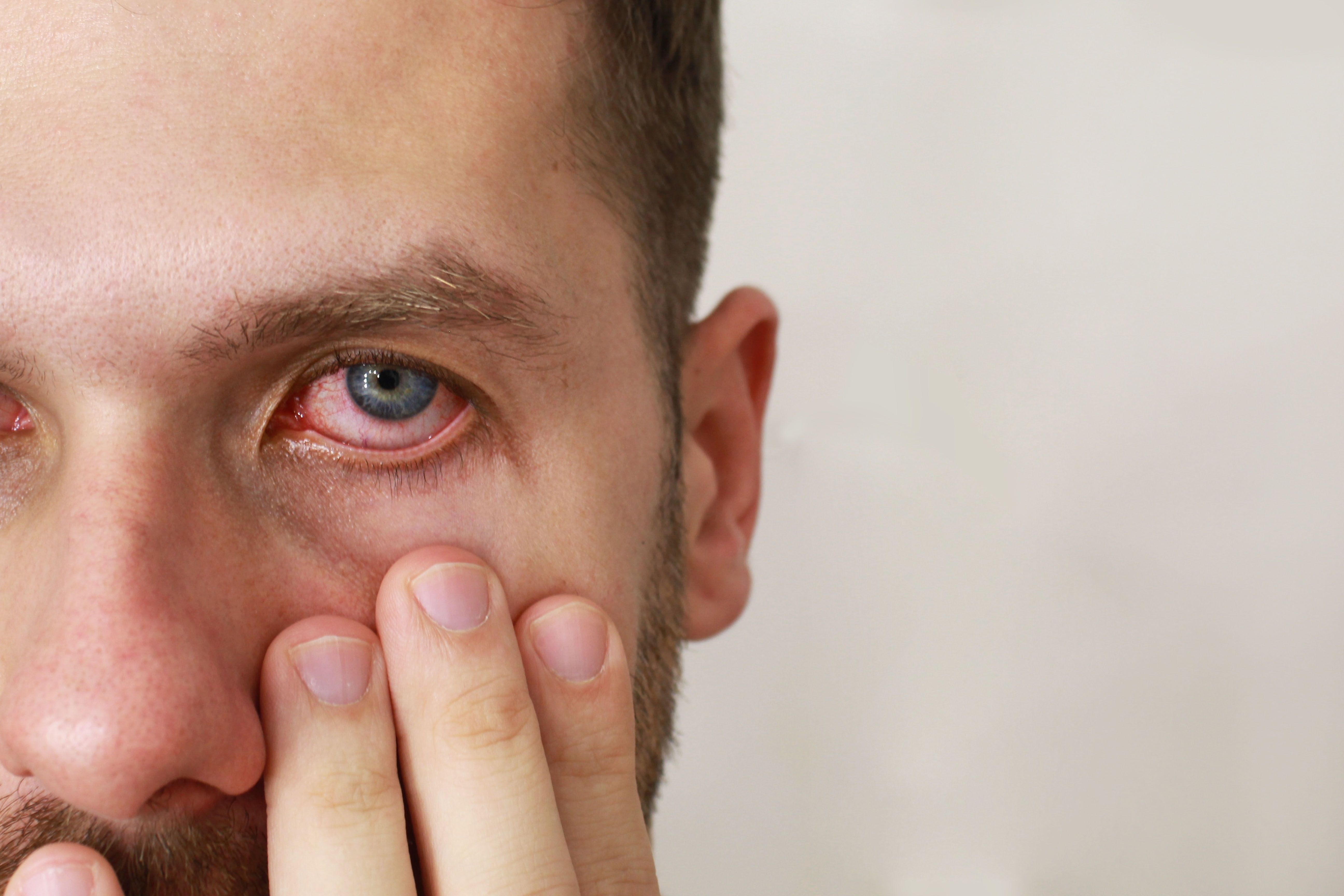
If your eyes are red, irritated, or watery, it can be difficult to tell what’s causing the problem. Is it seasonal allergies or something more serious like an eye infection? While both conditions can cause similar symptoms, they require very different treatments. Understanding the difference can help you get the right care quickly and protect your eye health.
What Are Eye Allergies?
Eye allergies (also known as allergic conjunctivitis) occur when your eyes react to allergens such as pollen, dust mites, pet dander, or mold. When exposed, your immune system releases histamines, which cause inflammation and discomfort.
Common Symptoms of Eye Allergies
- Itching (often intense)
- Redness in both eyes
- Watery discharge
- Swollen eyelids
- Burning or stinging sensation
- Symptoms that coincide with allergy season or exposure to triggers
A key feature of eye allergies is itching. If itching is the primary symptom and both eyes are affected, allergies are often the culprit. Eye allergies are not contagious and typically improve with antihistamine drops, cold compresses, or prescription allergy treatments.
What Are Eye Infections?
Eye infections occur when bacteria, viruses, or other microorganisms invade the eye tissues. The most common type is conjunctivitis (often called “pink eye”), but infections can also affect deeper parts of the eye.
Common Symptoms of Eye Infections
- Redness in one or both eyes (often starts in one)
- Thick yellow, green, or white discharge
- Crusting on the eyelashes, especially upon waking
- Eye pain or tenderness
- Light sensitivity
- Blurred vision in some cases
Unlike allergies, infections often produce thicker discharge and may cause discomfort or pain rather than itching. Bacterial and viral infections can be contagious, particularly in schools, workplaces, and households.
Treatment depends on the cause. Bacterial infections may require prescription antibiotic drops, while viral infections usually need supportive care and time to resolve.
When to Seek Immediate Care
Some eye symptoms should never be ignored. Contact Seabert Eye Care promptly if you experience:
- Moderate to severe eye pain
- Sudden vision changes
- Extreme light sensitivity
- Swelling that worsens rapidly
- Symptoms that do not improve after a few days
- Symptoms in a contact lens wearer
Contact lens users are at higher risk for serious infections that can threaten vision if not treated quickly.
Why Professional Diagnosis Matters
The eye is a delicate and complex organ, and even mild symptoms can sometimes point to a more serious underlying issue. That’s why a professional, in-office evaluation is so important when discomfort, redness, or irritation occurs.
During your visit, your eye doctor will carefully examine the surface of your eye using specialized magnification tools to get a detailed view of what’s happening. This allows them to identify whether your symptoms are caused by bacterial, viral, or allergic inflammation.
Based on their findings, your doctor can recommend targeted, effective treatment tailored to the exact cause of your symptoms. An accurate diagnosis not only provides faster relief but also helps reduce the risk of complications.
Get Expert Care for Eye Allergies and Infections
Red, irritated eyes can be frustrating - but understanding whether you’re dealing with allergies or an infection makes all the difference. While itching and watery eyes often point to allergies, thick discharge, pain, or vision changes may signal an infection that requires medical care.
If you’re experiencing red, irritated, or uncomfortable eyes, Seabert Eye Care is here to help. We’ll determine the cause of your symptoms and create a treatment plan tailored to your needs. Visit our office in Burleson, Texas, or call (817) 857-8700 to book an appointment today.



Our Services
Contact Info
Hours of Operation
- Monday 10:00am - 6:00pm
- Tuesday 9:00am - 6:00pm
- Wednesday 9:00am - 6:00pm
- Thursday 9:00am - 6:00pm
- Friday 9:00am - 4:00pm
- Saturday Closed
- Sunday Closed
© 2026 Seabert Eye Care. All rights Reserved. Accessibility Statement - Privacy Policy - Sitemap
Powered by:
